
Ironman is not just a competition. It is a real journey that tests both the body and the spirit of the athlete. Our amazing coaches Pavel, Kaisa and Aleksandr shared their experience and advice on how to prepare for Ironman mentally and how to apply the same principles in everyday life.
The Role of Mental Preparation: Not Just a Sport
Pavel notes that each Ironman experience teaches you something new. Both physically and mentally. He says mental preparation is as important as muscle training. For example, a list of necessary equipment on the day of the competition helps reduce anxiety; and having a competition plan provides a sense of control.

“It’s completely normal and even a little pleasant to be anxious before your first start. The main thing is not to panic and not to burn out before the competition. All experienced athletes eventually find their own suitable rituals and psychological techniques.”
Kaisa emphasizes that mental preparation goes hand in hand with physical preparation. Intense training and small competitions give her a signal that her body is more prepared than she might think.
Aleksandr is training for his first Ironman; he describes mental preparedness as the ability to adapt. Whether it’s an unexpected injury, financial difficulties or lack of time. His experience shows that flexibility, creativity in training and support from loved ones are key factors in supporting mental balance.
Stress, fears and doubts – how to cope with them?
All three coaches admit that stress and doubts are an integral part of the Ironman journey. Pavel puts it bluntly: “Pre-race anxiety is completely normal and even pleasant! Try to enjoy this feeling and remember that everyone experiences it. Even those who are doing their tenth Ironman.”
Kaisa shares her experience of mental self-testing:
“When I’m stressed and doubtful, I test myself in the same way. I put myself in uncomfortable situations to understand if any problems or sources of stress are simply stuck in my head or whether I really have something to worry about”.
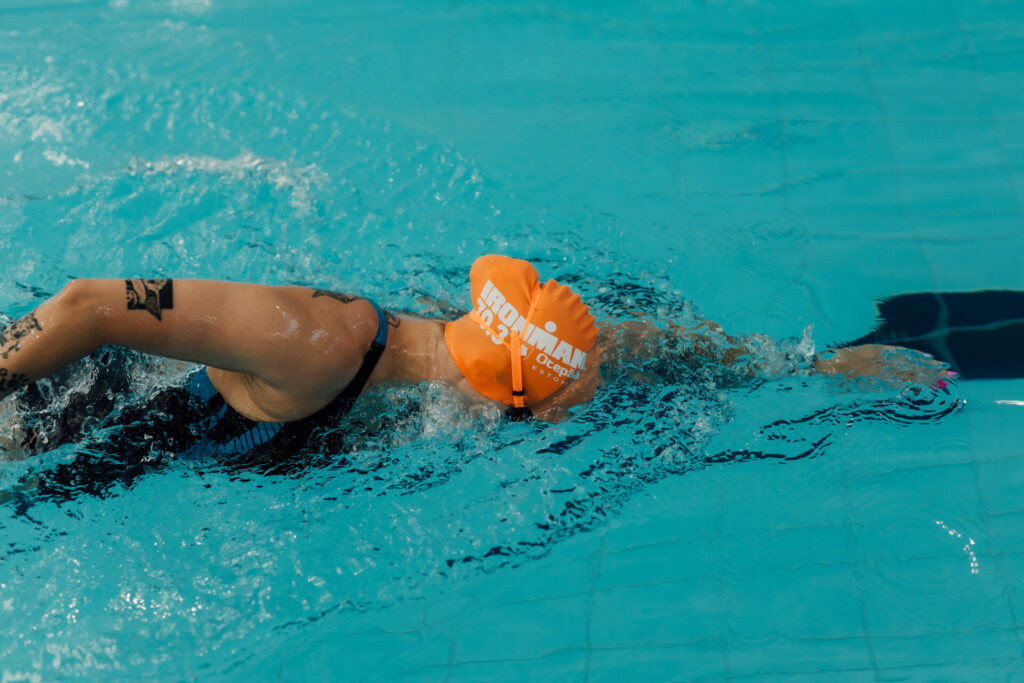
She stresses that mental fatigue is often underestimated, although it requires the same attention as physical exhaustion.
“Sometimes mental stress is much more serious than we think. Mental strain and fatigue need to be taken as seriously as physical stress.”
According to Kaisa, irrational fears arise immediately before competitions, which must be consciously dealt with:
“I know from personal experience that before competitions I start to think about and imagine injuries, pain, etc. Basically, I just tell myself that I have worked hard throughout the entire preparation period, and my body is ready for this.”
Aleksandr believes that unexpected expenses and lack of time are a big source of stress. He also recommends being creative in this regard; for example, he borrows equipment, changes up his training routines, and sets small goals to help him stay motivated.Aleksandr believes that unexpected expenses and lack of time are a big source of stress. He also recommends being creative in this regard; for example, he borrows equipment, changes up his training routines, and sets small goals to help him stay motivated.
What does Ironman teach you about life?
Kaisa believes that once you’ve tested your limits in an endurance sport, you’ll take the rest of your life a little easier. Discipline, independence, and the ability to focus also carry over to your work, family relationships, and personal issues. Aleksandr adds that the discipline you gain in sports later manifests itself in your work ethic and time management. For example, if you can get up early in the morning to train before work, that discipline also affects how you organize your work tasks or your family life. Employers and colleagues value that kind of reliability and consistency.
“I think that training for an Ironman shapes you not only as an athlete, but also as a person. Sport develops character, endurance and the ability to manage your time – these qualities are also valuable outside the world of sport.”