
October is Mental Health Month, and it’s the perfect time to reflect on how daily exercise can help us feel better, reduce stress, and find peace of mind. Physical activity not only supports our bodies but is also one of the most effective ways to improve our mental health. Scientific studies show that people who exercise regularly experience an average of 20–30% fewer symptoms of depression compared to those who don’t. For example, a meta-analysis of over 65,000 people found that moderate aerobic exercise reduces anxiety symptoms by an average of 25%.
“Scientific studies show that people who exercise regularly experience, on average, 20-30% fewer symptoms of depression compared to those who do not exercise.”
Strength training: confidence and balance through strength
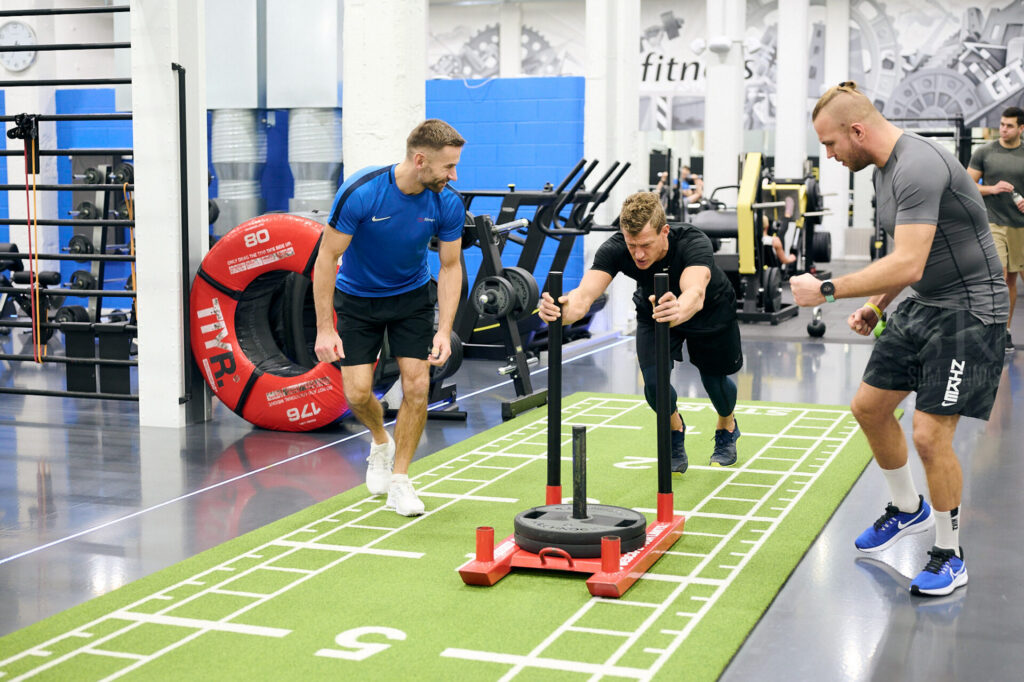
Strength training is particularly noteworthy in this regard. Strength training not only has positive effects on the body but also promotes mental balance, reducing symptoms of anxiety and depression and boosting self-confidence. Working out two to three times a week increases serotonin and endorphin levels, improving mood and providing a boost of energy. For example, many people who regularly do strength training and initially felt very insecure in the gym and avoided heavier exercises later described how, after three weeks of regular training, they found it easier to focus and remain calm in stressful situations.
People often describe feeling as “someone who has finally regained control of their body and mind,” adding that this feeling after a workout provides a small but noticeable dose of satisfaction each day.
If you’re not sure what to do in the gym yet, we highly recommend you take advantage of the support of our experienced personal trainers or, for example, try the StrongBody gym training.
Aerobic exercise: movement that calms you down
Aerobic exercise, such as running, cycling, or brisk walking, can also help improve mental well-being. Harvard Health researchers note that “aerobic exercise can help stabilize mood, reduce stress hormones, and support cognitive function.” Research shows that 30 minutes of moderate aerobic exercise three to four times a week reduces anxiety symptoms by an average of 20% and improves sleep quality. People who previously felt constantly tired and anxious after work reported how three aerobic workouts a week helped them get home calmly at the end of the day.
Researchers from Harvard Health note that “aerobic exercise helps stabilize mood, reduce stress hormones, and support cognitive function.”
MyFitness’ schedule offers a wide range of group aerobic workouts, so you can choose the one that’s right for you! For example, MyFitness dance workouts are great for aerobic exercise and create a positive and joyful mood! Furthermore, exercise improves the daily rhythm – mornings start with more energy, workdays are less stressful, and evenings feel much calmer.
Yoga and Pilates: harmony of body and mind
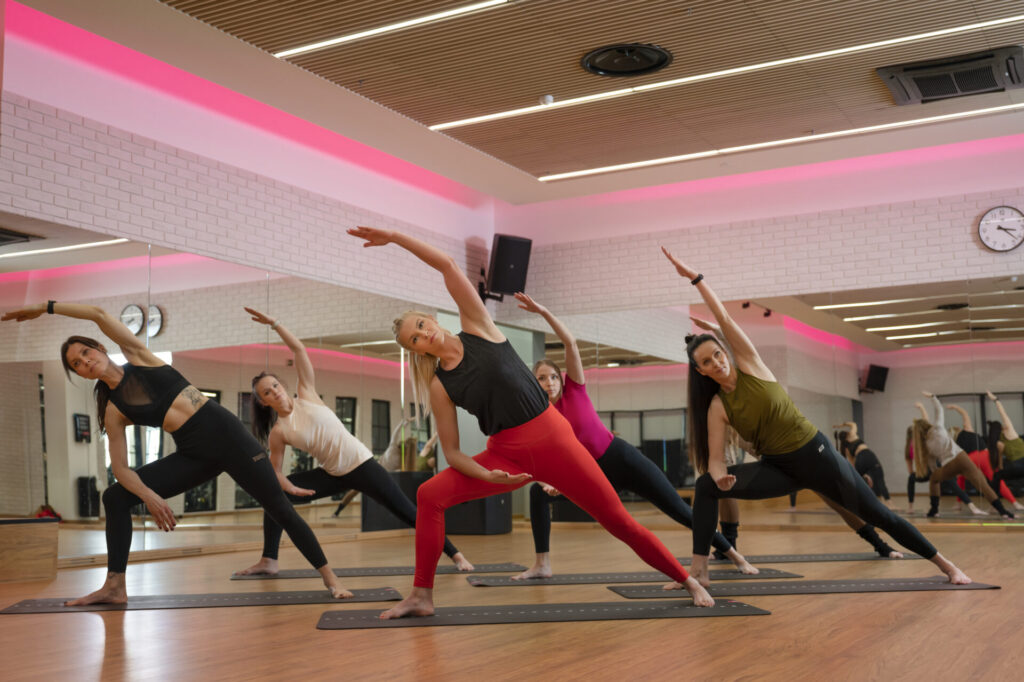
Connecting body and mind through yoga or Pilates is also an effective way to maintain mental health. A 2021 study of 120 people found that regular yoga practice three times a week reduced symptoms of moderate to severe depression by an average of 30%. The researchers point out that “yoga affects the balance of the nervous system and helps reduce stress and anxiety, as well as improve focus and self-esteem.”

For example, one study participant, who often feels overwhelmed and easily irritated due to mental health challenges, described how just a 15-minute morning yoga session helped him maintain calm throughout the day. He noted that unexpected obstacles at work used to cause him anxiety, but now he feels much calmer and is able to deal with situations with more clarity.
Another person, who previously suffered from frequent insomnia due to work stress, added that after practicing yoga, he was able to relax and sleep better, and his ability to concentrate on work tasks significantly improved. MyFitness offers several mind&body training programs, including yoga and Pilates, as well as BodyBalance.
Small steps, big changes
Practical experience confirms the research findings. Even a short walk after a stressful day helps relieve tension and improve mood. It’s also helpful to know that exercise doesn’t have to be long – small steps and consistency are just as beneficial! Just 10-15 minutes of movement a day, combining strength training, aerobic exercise, and exercises for developing the body and mind, will bring noticeable results in just a few weeks. It’s important to monitor your well-being and understand that exercise doesn’t always have to be strenuous; it should be supportive, bringing a sense of peace and satisfaction to both body and mind.
Movement is an investment in mental well-being
In conclusion, movement is a pillar of mental health. Strength training, aerobic exercise, and mind & body practices can help reduce stress, anxiety, and depression, improve sleep quality, and boost self-confidence. October is the perfect time to make time for exercise and calm your mind – it’s an investment in yourself and your mental well-being.